Somewhere Else : Limbo on the Balcony of Europe
(2025 - Ongoing)
After 4 years of war in Ukraine, one sometimes overlooked side effect is the enormous displacement of people from Belarus and Russia, due to their countries' rapid shift to authoritarianism. Large numbers of dissidents and oppositionists have ended up in Georgia, as it was the quickest and easiest path to safety. However they are not granted asylum nor residence, so they must stay there in prolonged uncertainty, effectively as permanent tourists. 
Everyone does the visa run once a year over the border, hoping there won't be problems this time. Everyone knows they don't have a future in this place. For most, returning home is not an option - some await prison sentences while others simply can't imagine life in a closed regime. Many have fallen in love with Georgia - for it's rich and hospitable culture, people and landscape. Nevertheless, there are no guarantees, and over the last year, Georgia itself is shifting towards authoritarian rule. This leaves them even less secure in their place of refuge, wondering if Georgia will become the next Ukraine or Belarus.
This project explores a precarious situation for Europeans who wish for the freedoms enjoyed across the EU,  but who instead have been pushed out to the edge, to the so-called “balcony of Europe". How does one cope, make a community and survive in a limbo state, that is becoming less secure all the time?  The initial photographs and interviews were made in 2025.

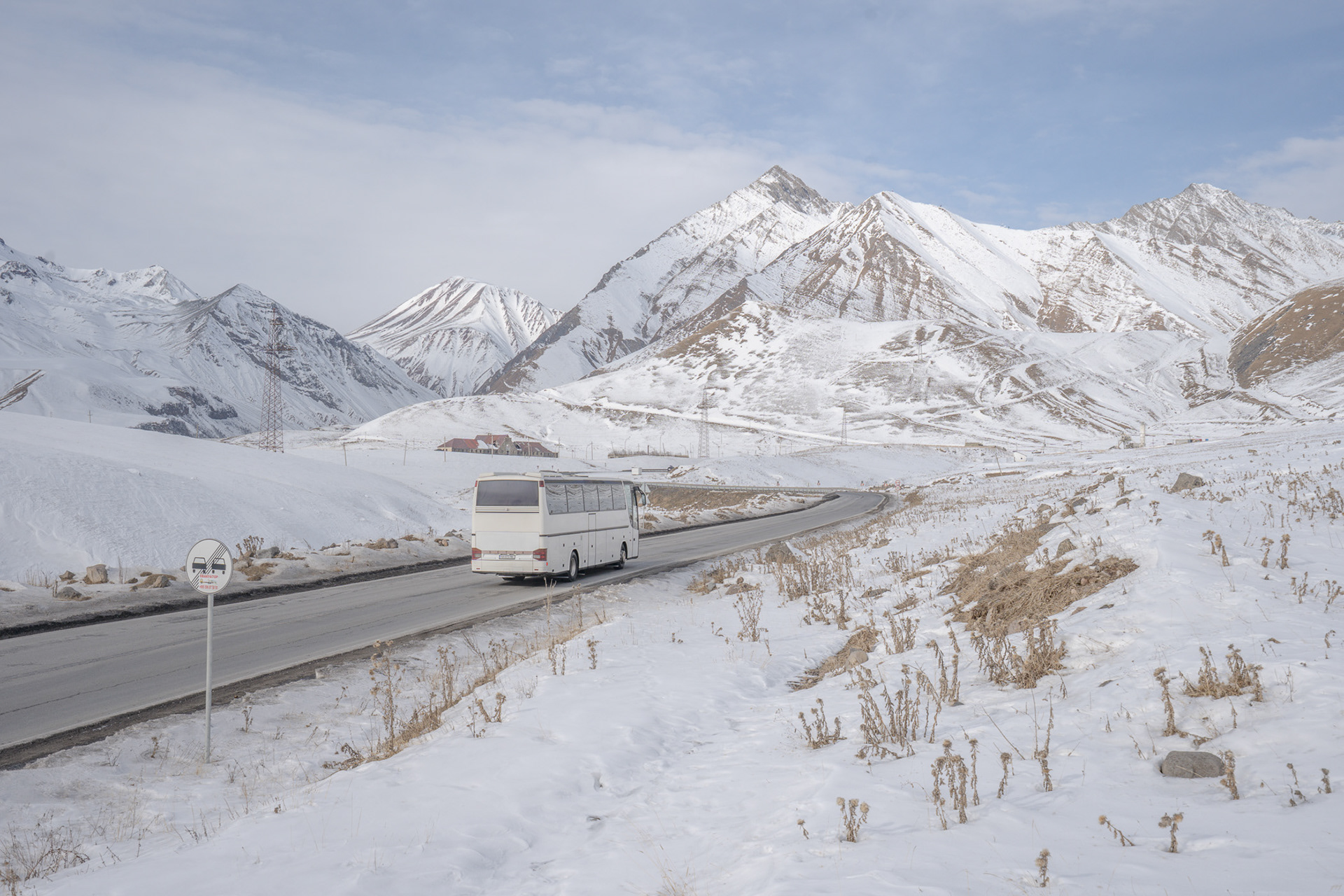
A bus near the Russian border on the treacherous Military Road, along which many exiles have fled to safety in recent years. An ancient route linking Russia with the Caucasus, it has been used by invaders and traders through the ages.

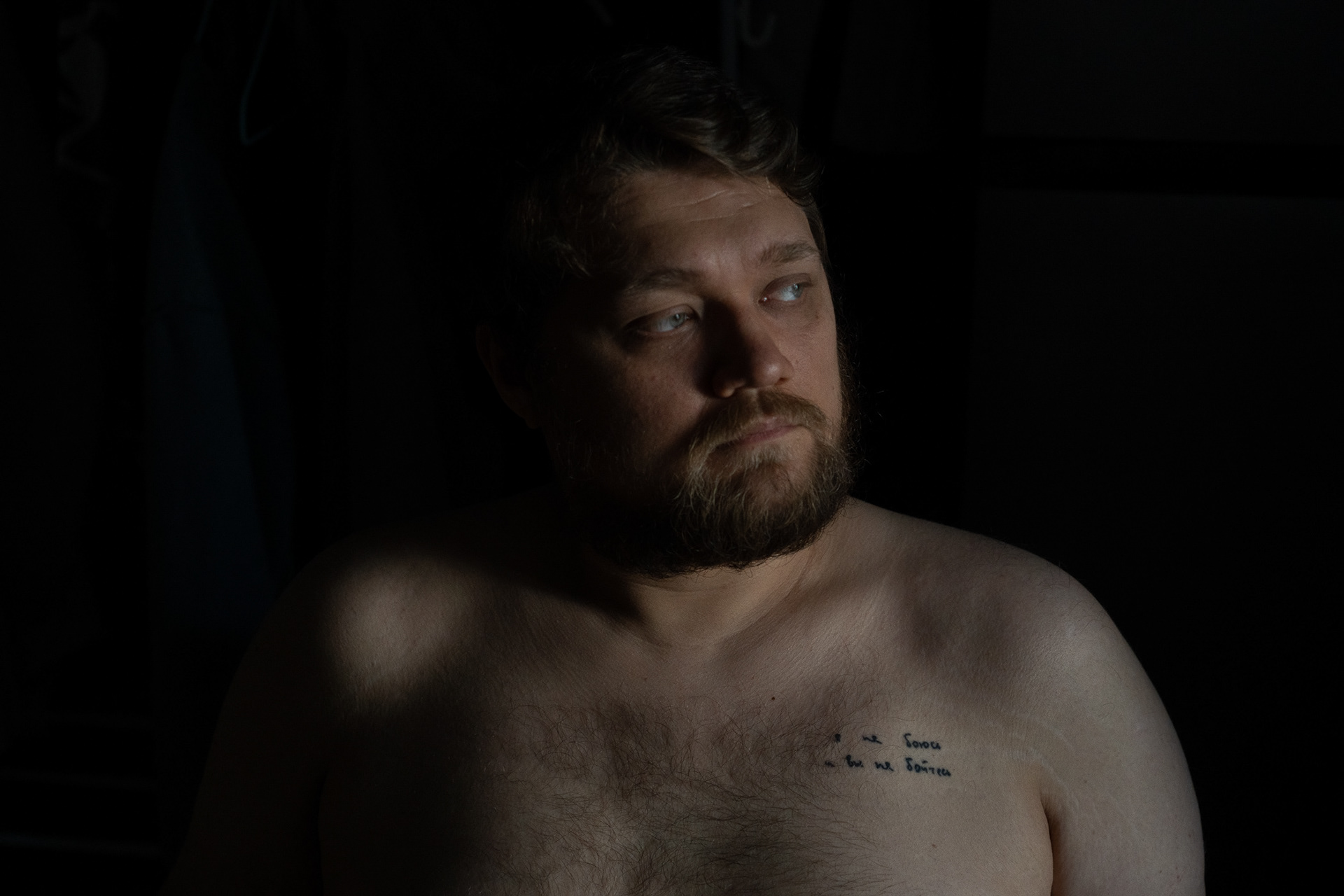
Ilya, a Russian opposition activist and long-time campaigner for Alexei Navalny, fled to Georgia in 2022 and lives in exile in Tbilisi. On his chest, a tattoo of Navalny’s own handwriting reads: “I am not afraid, and you should not be afraid either”.

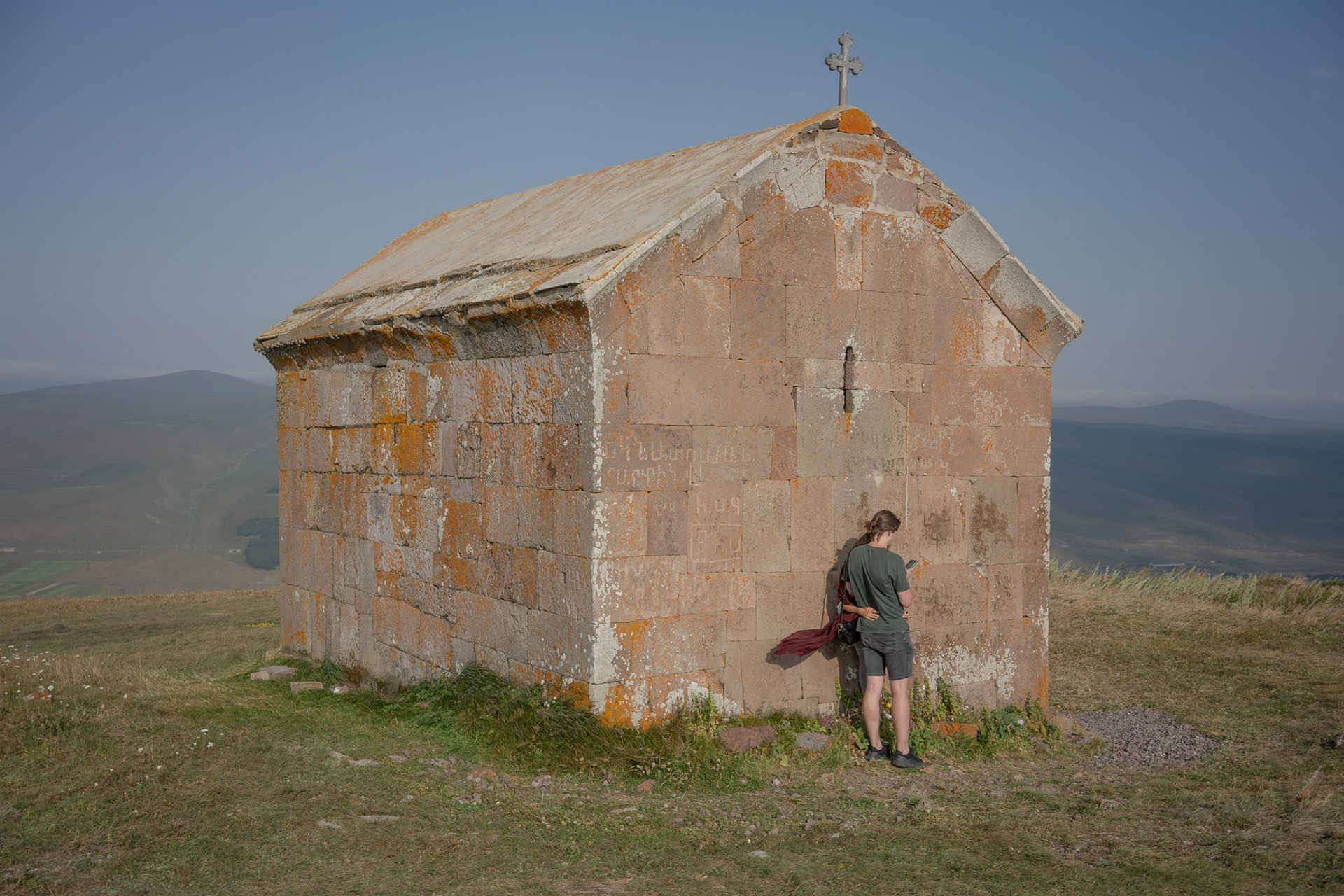
Belarusians in exile visiting a church in the Javakheti Plateau. This remote alpine steppe is known for its harsh and inhospitable winters, and has a long history of resettlement. In the 19th and 20th centuries many Armenians were forcibly displaced here.

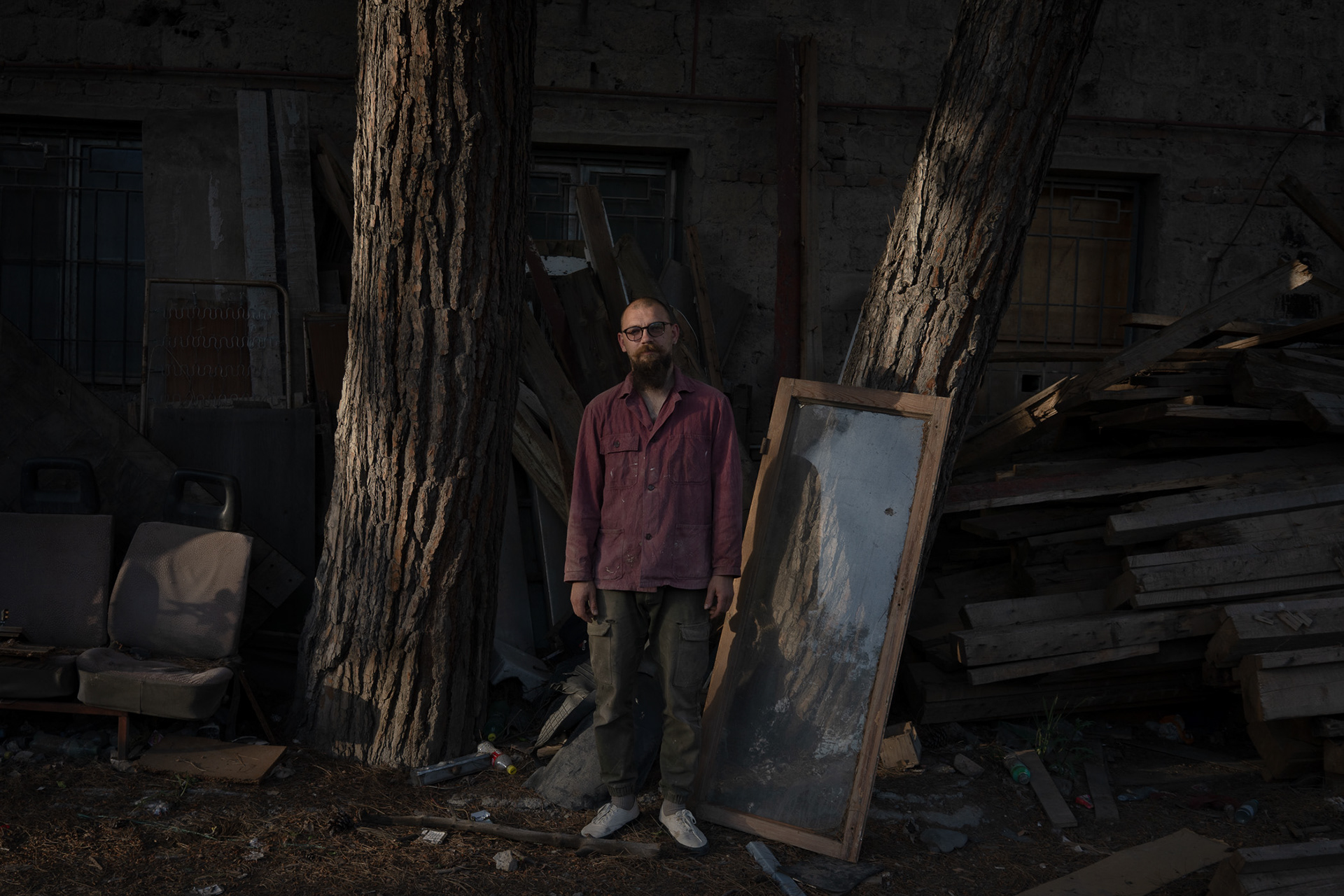
Alexander, a Russian activist, was repeatedly detained and fined for protesting in Russia. In 2023 he fled to Tbilisi for fear of persecution. He now runs a social space for exiles in Tbilisi, organising discussions, support groups and workshops on human-rights and anti-war topics.

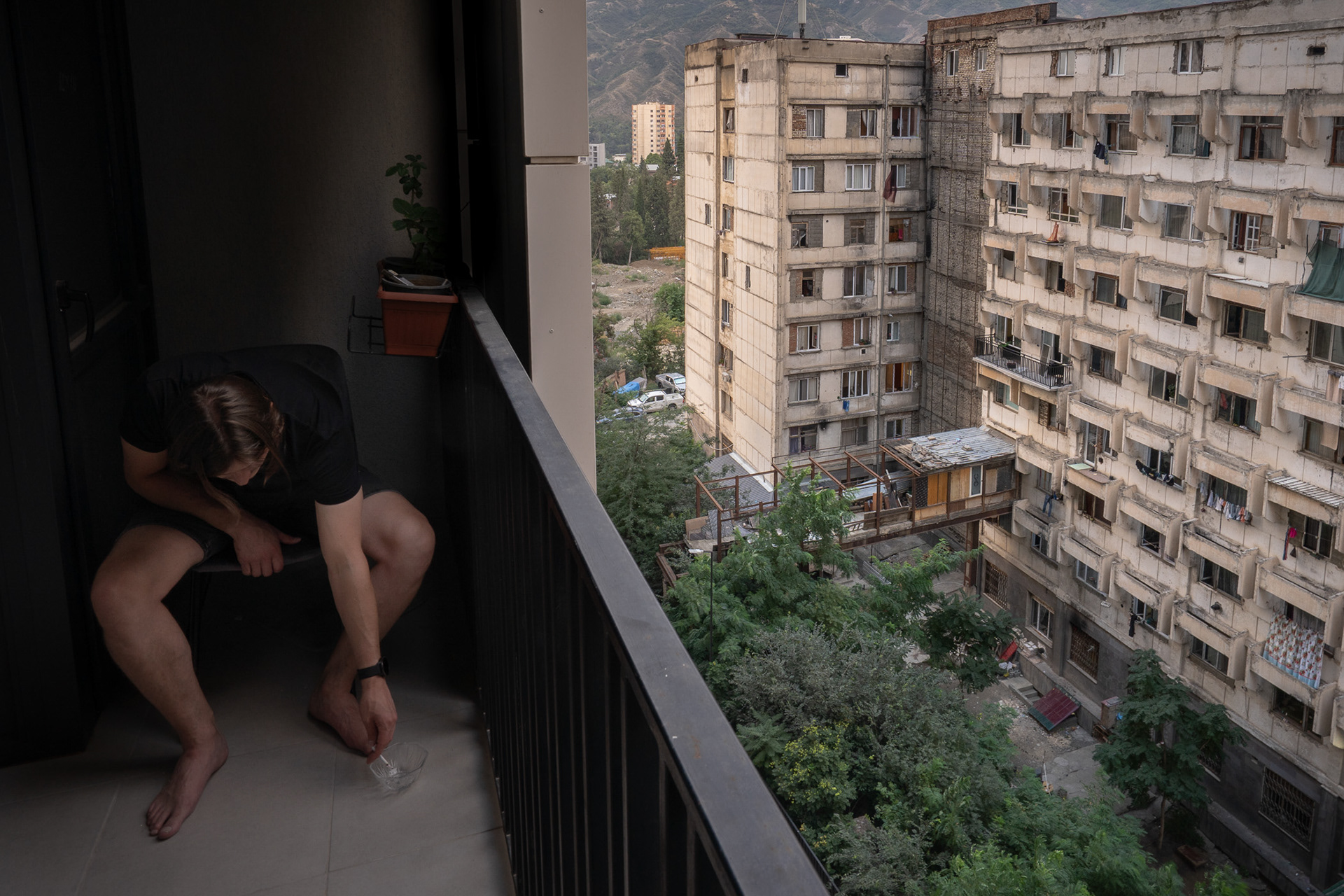
Typical “brezhnevka” apartment blocks in northern Tbilisi. Between the 1960s and 1980s these were built all over the Soviet Union as a solution for growing urban populations. Now they are a distinctive characteristic of the post-soviet landscape and reminder of the Soviet legacy.

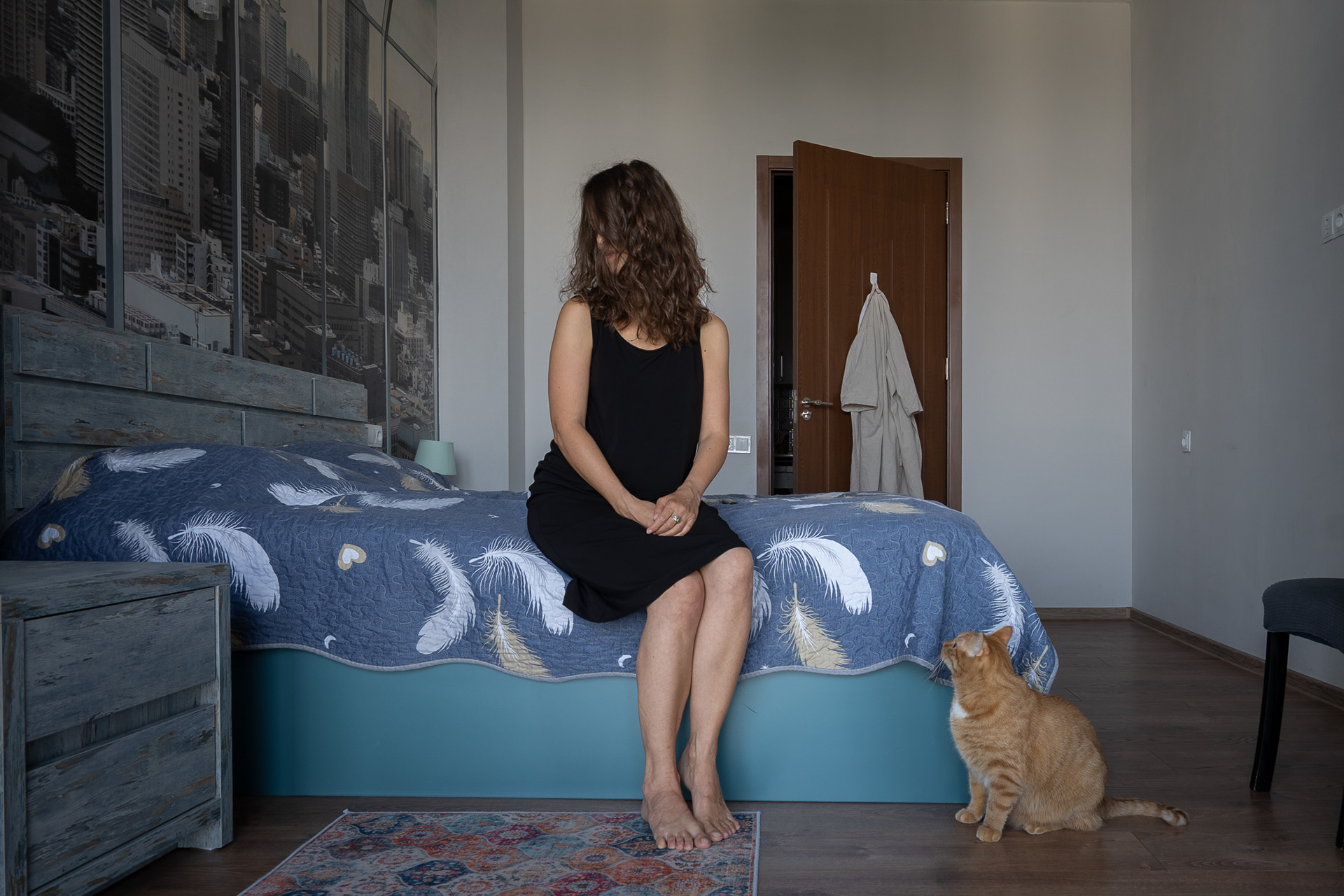
Stasia, formerly an opposition journalist from Belarus, fled to Tbilisi with her cat, after her former colleagues were imprisoned. Because Belarus has become so globally isolated, her options to relocate are extremely reduced. She says dryly about her cat: “His passport is more valuable than mine - he doesn’t need a visa to move country, only his shots.” (Name has been changed)

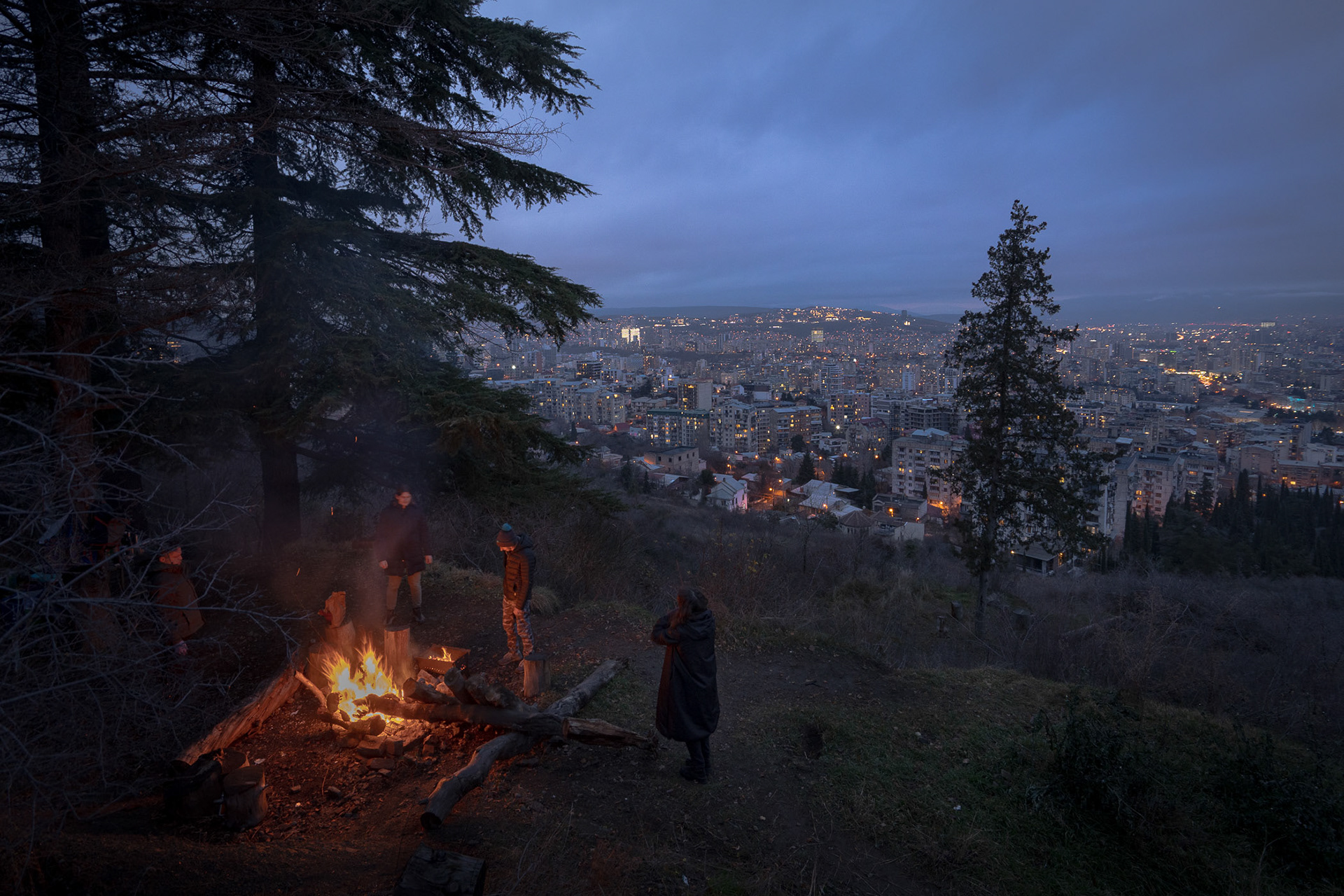
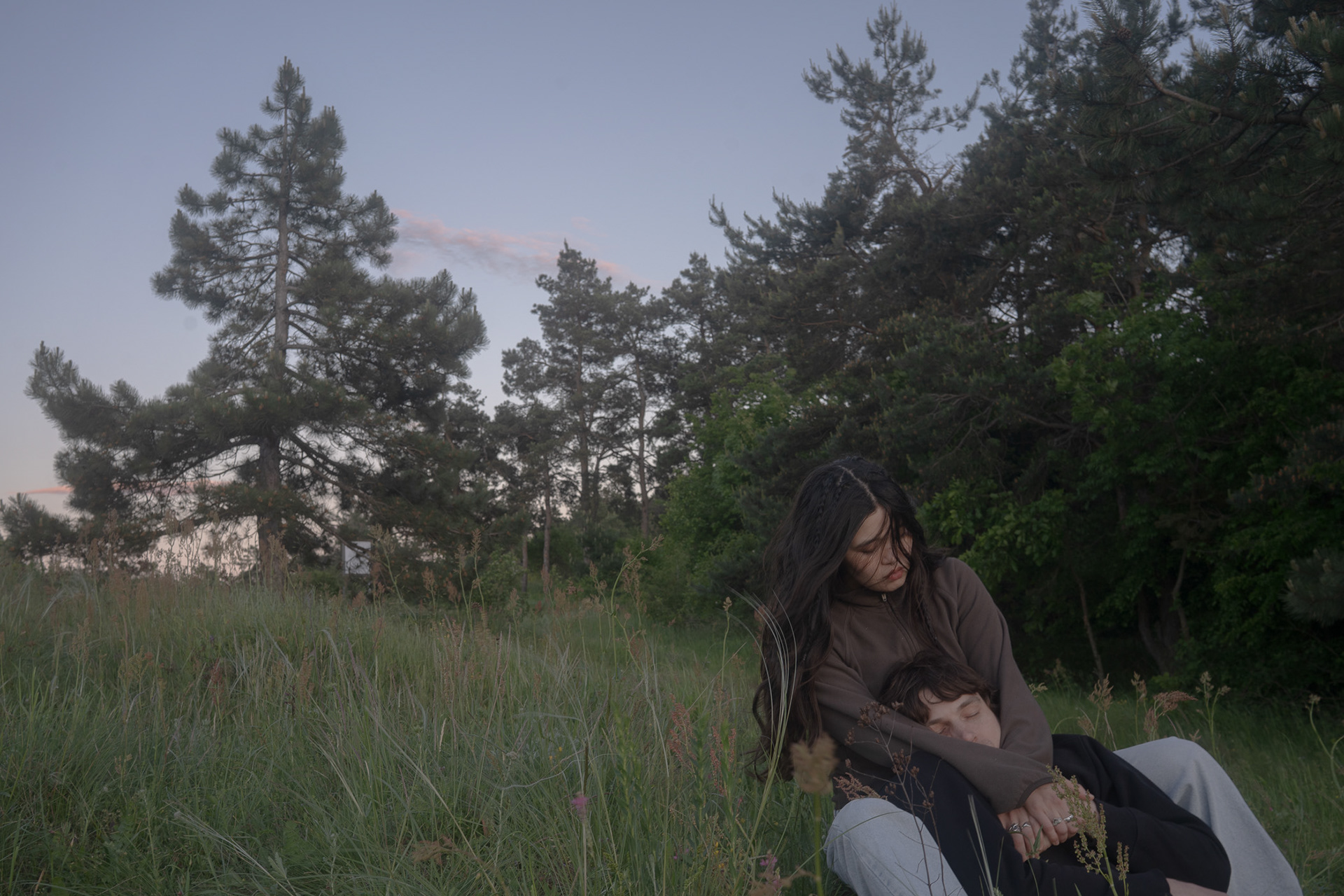
A group of Belarusian exiles at twilight on Mtatsminda, the largest hill overlooking Tbilisi. Mtatsminda, which means “holy mountain”, is traditionally a favourite recreational place for locals, and many come together here for a fire throughout the year.

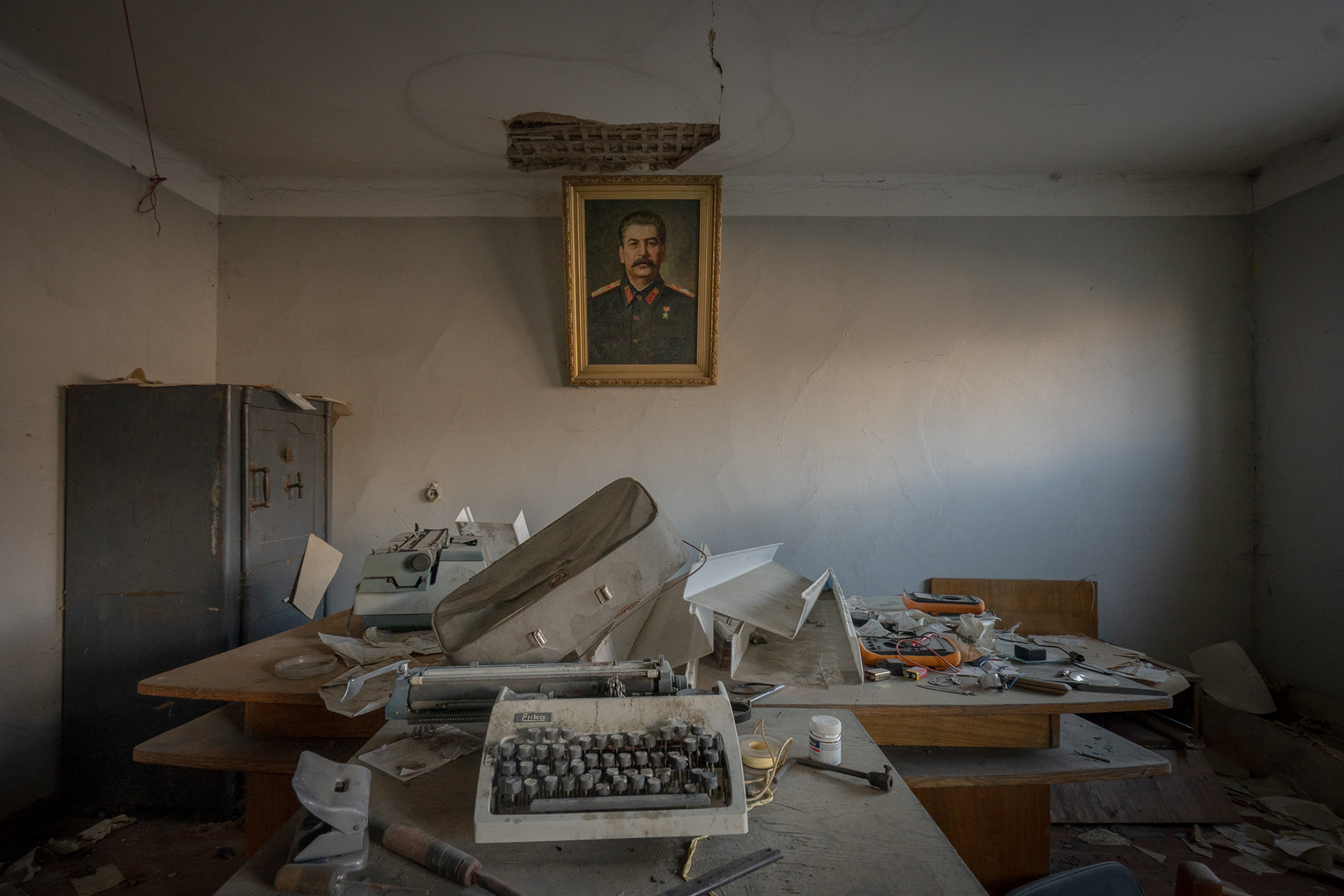
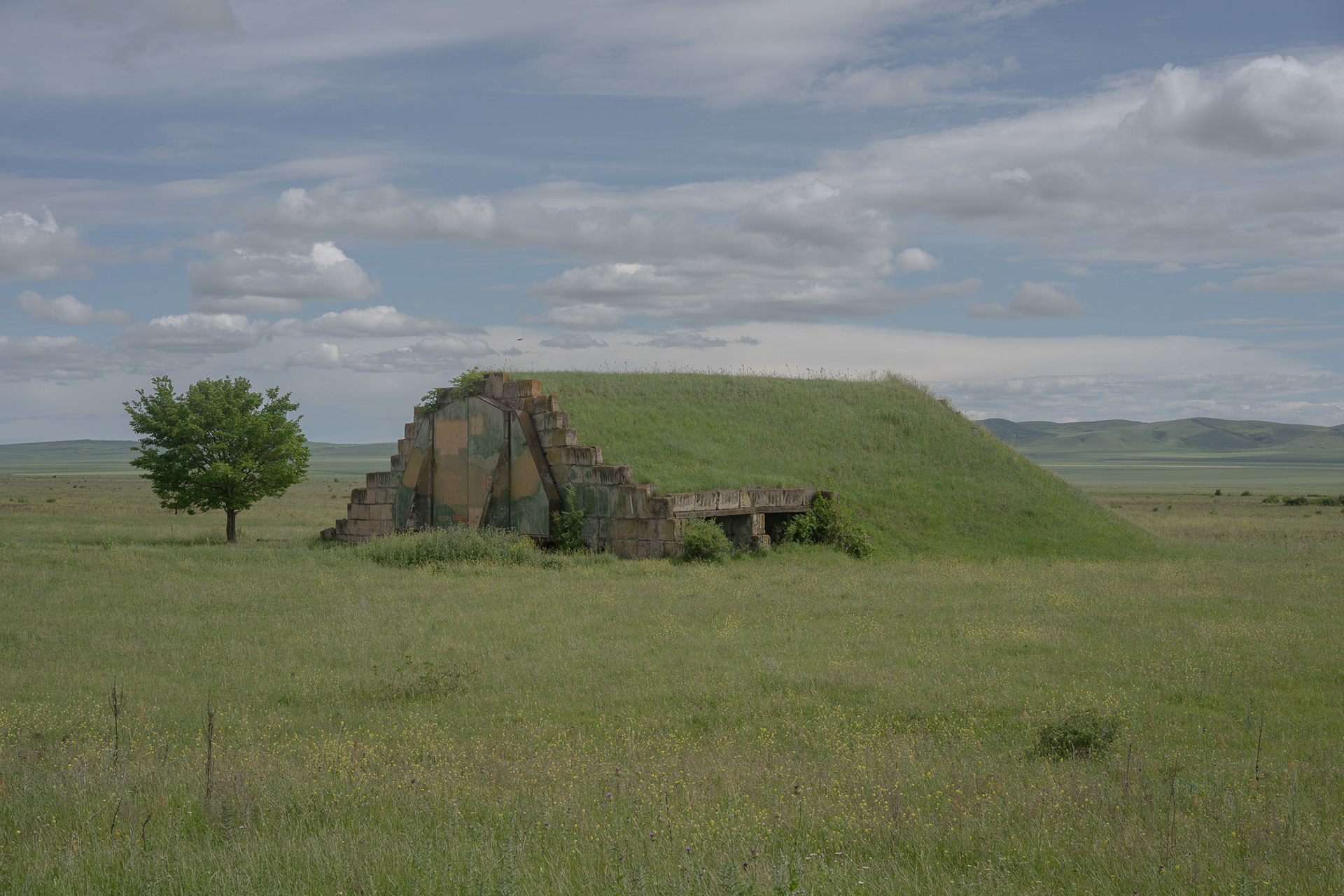
An abandoned building on the Military Road near the border with Russia. Joseph Stalin was a Georgian national and is credited with modernizing the country. Despite his controversial reputation and legacy, surveys have indicated that a significant portion of the population still holds a positive view of him.

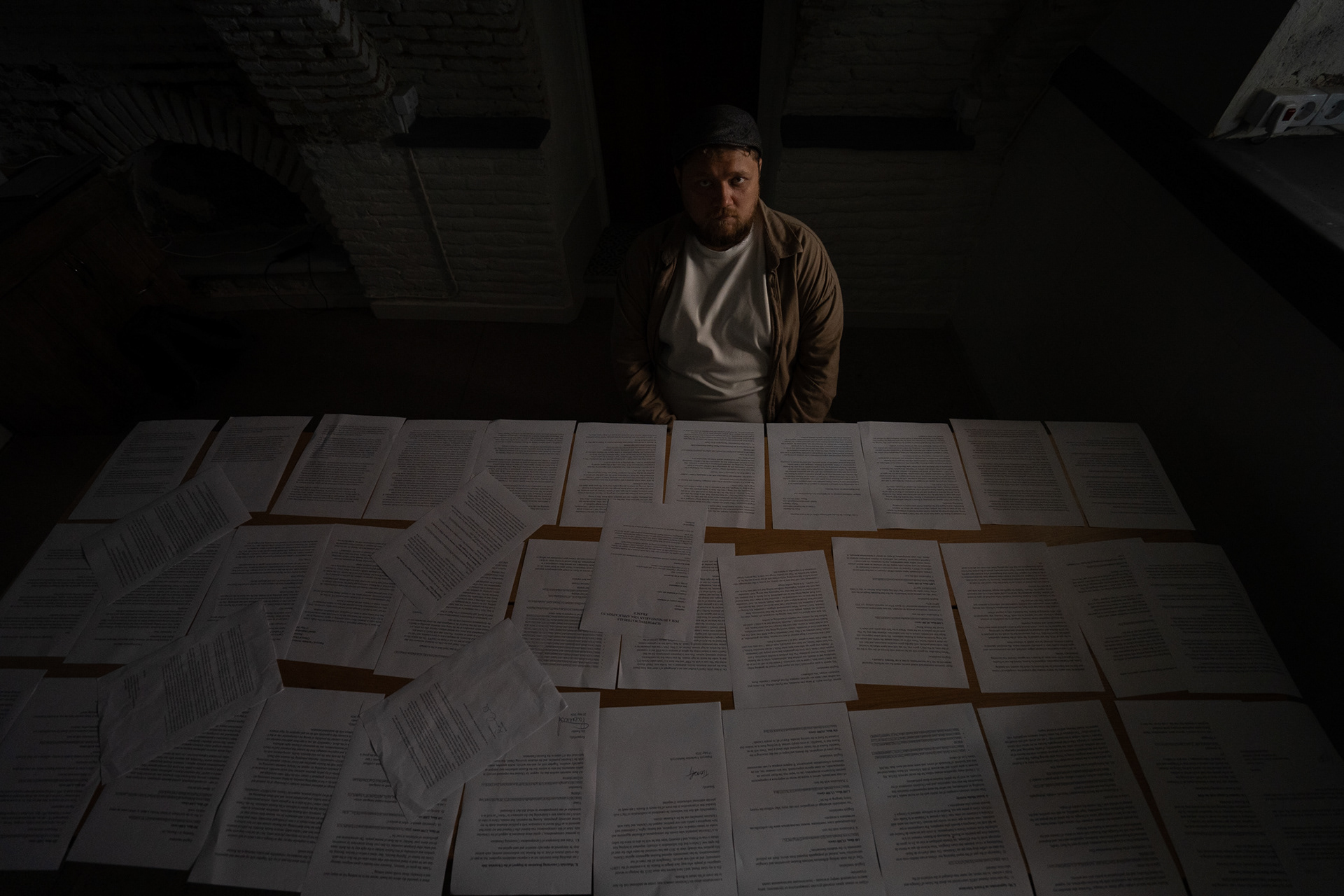
“I couldn’t deal with the fact that so many people supported the war. Everything changed very quickly. I got severely depressed.” Ilya, a Russian opposition activist and long-time campaigner for Alexei Navalny, fled to Georgia in 2022 and now lives in exile in Tbilisi, with a cat that he rescued from the street. He is currently waiting for political asylum to be granted from France.

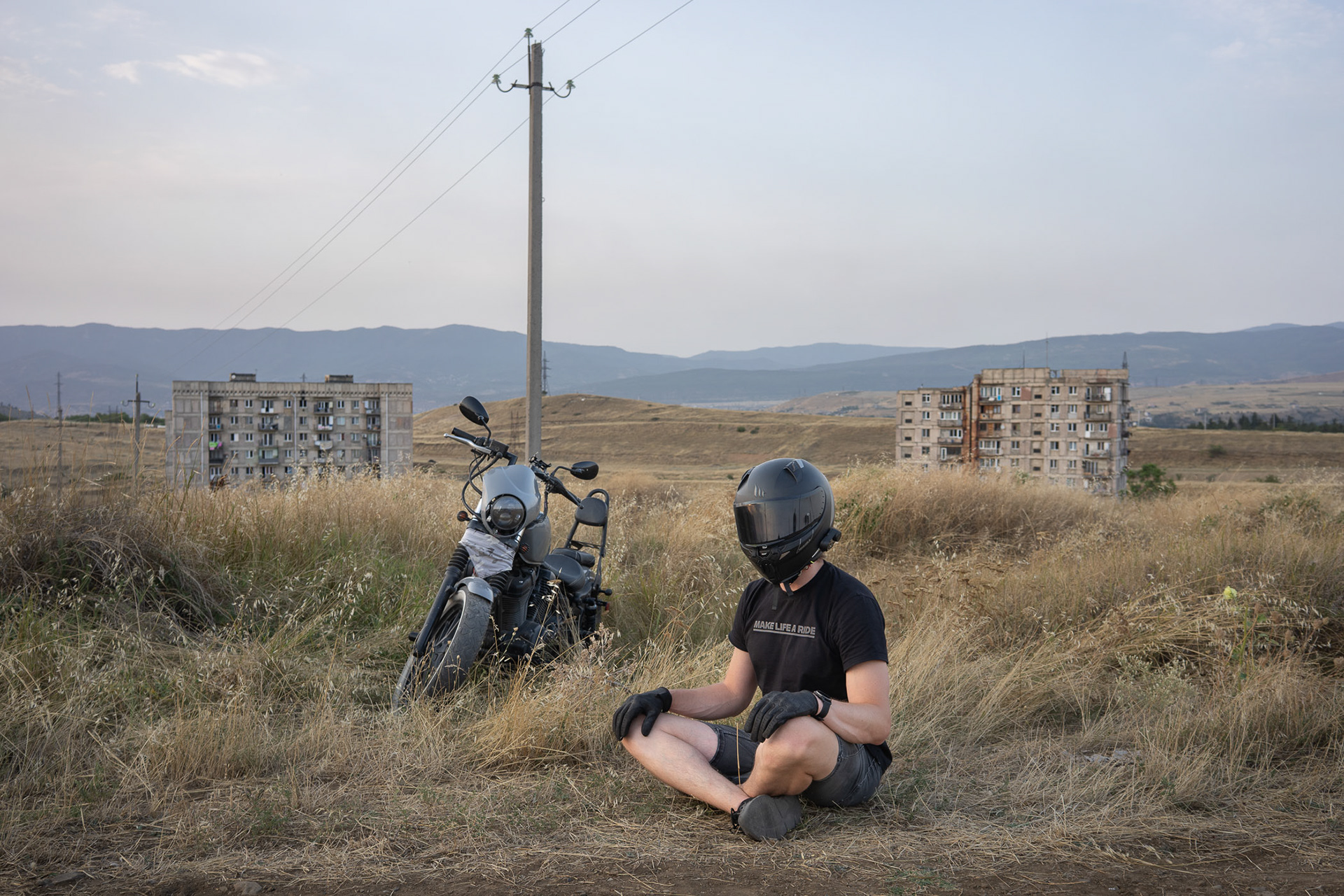
”I took one bag; my laptop and clothes. I thought I was maybe going for 6 months. I didn’t believe this war would last.”. Mikhail fled from Belarus to Tbilisi in 2022, when the Ukraine war started and his brothers got imprisoned for protesting. He sits with his motorbike in front of two typical apartment blocks on the edge of Tbilisi. (Name has been changed)

Mikhail fled from Belarus to Tbilisi in 2022, when the Ukraine war started and his brothers got imprisoned for protesting. He smokes a cigarette on the balcony of his apartment. (Name has been changed)

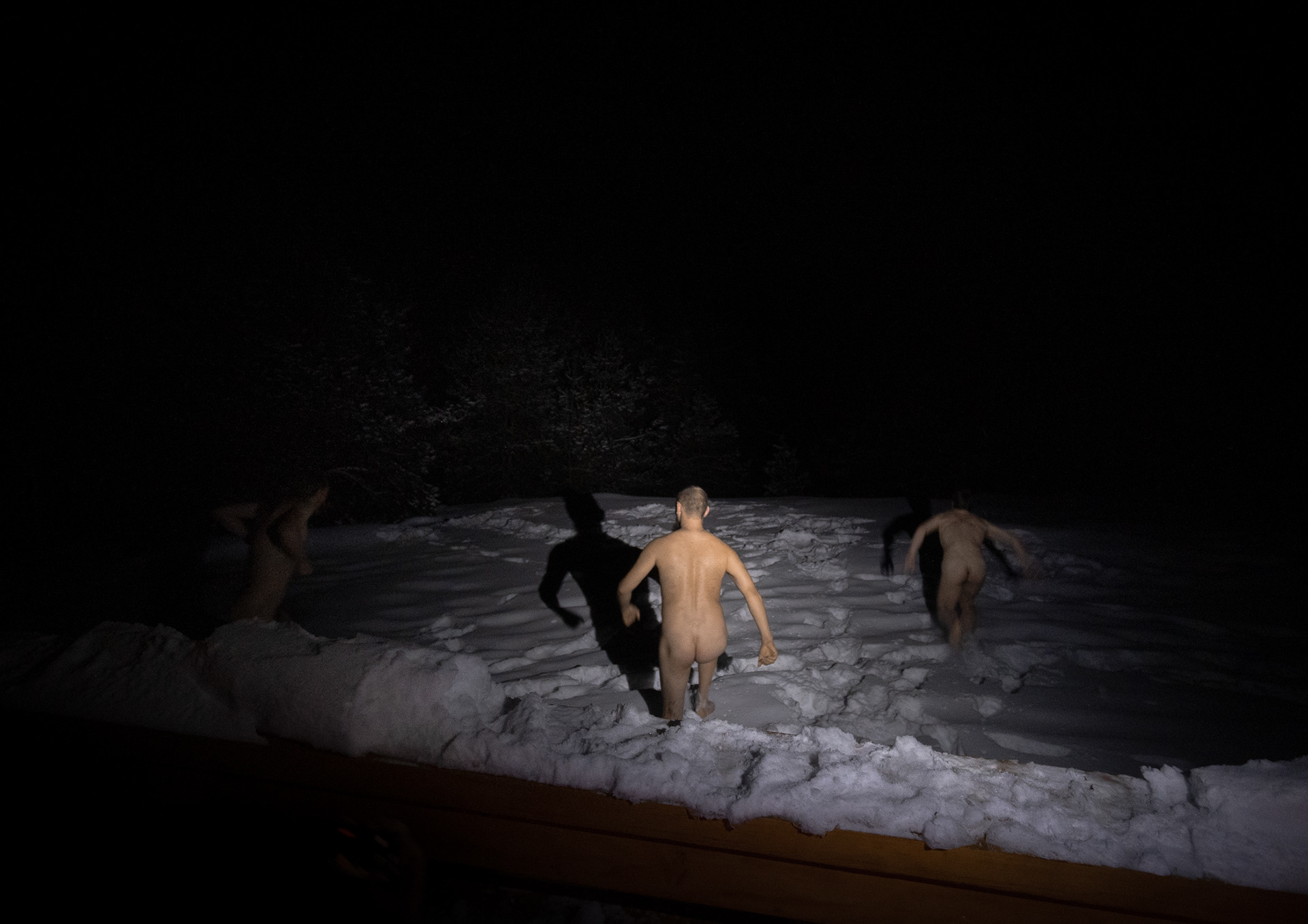
Exiled friends bathe in snow during a visit to Borjomi. Bathing or rolling in snow is said to improve circulation and invigorate the body, and is a common tradition in Belarus and other eastern European countires, often after the sauna.

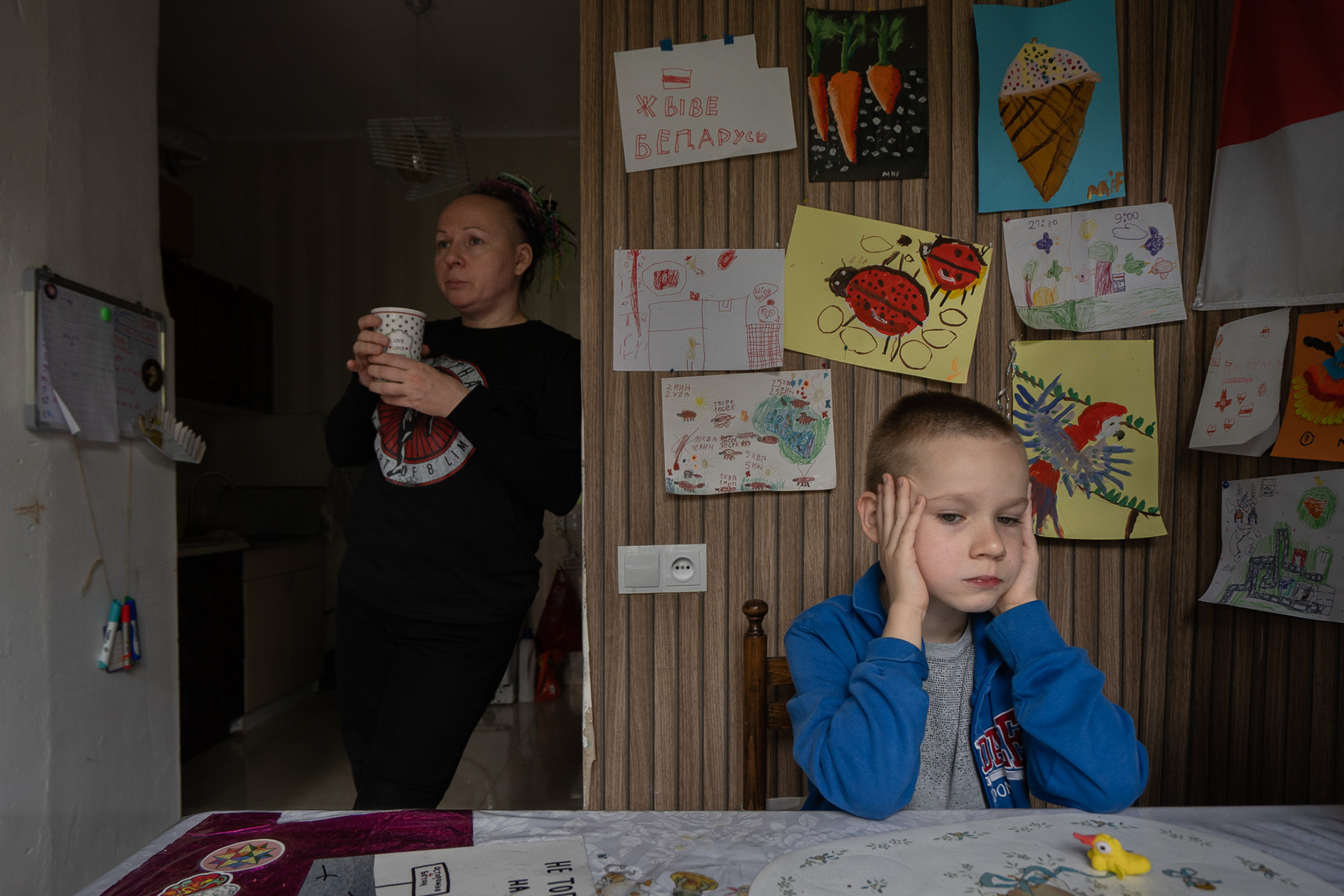
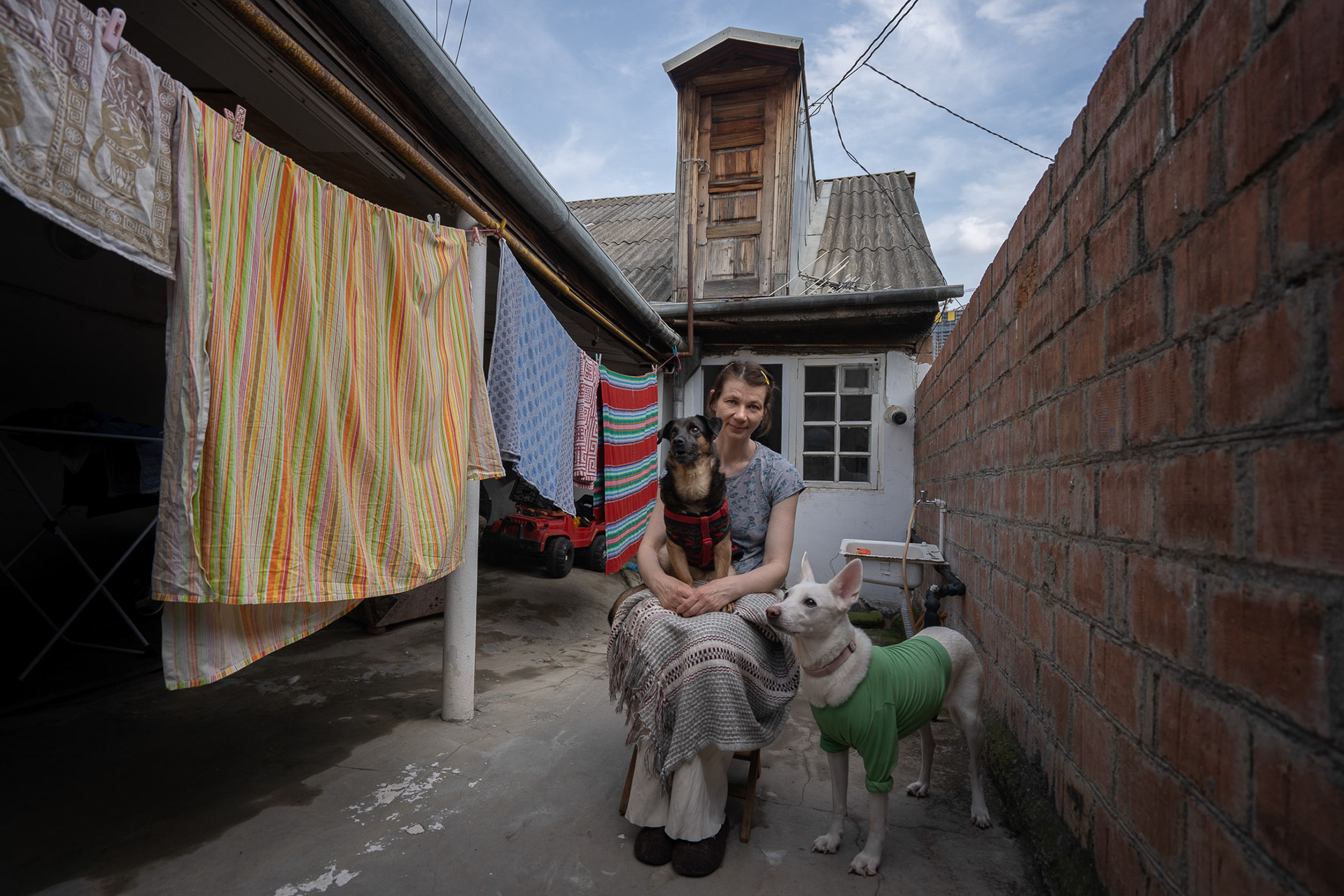
“We don’t have a single document, and we face real prison terms at home.” Katsiaryna, Andej and their son Maryk at home in Saburtalo, Tbilisi. They fled with their 2 dogs from Belarus in 2025, after Katsiaryna and Andej were both arrested for political reasons. She remarks “I see a historical connection with the forced emigrants from Belarus in the 19th and 20th centuries. We are very similar - sepia photography, children, dogs, luggage - we really looked very archaic at the airport.”

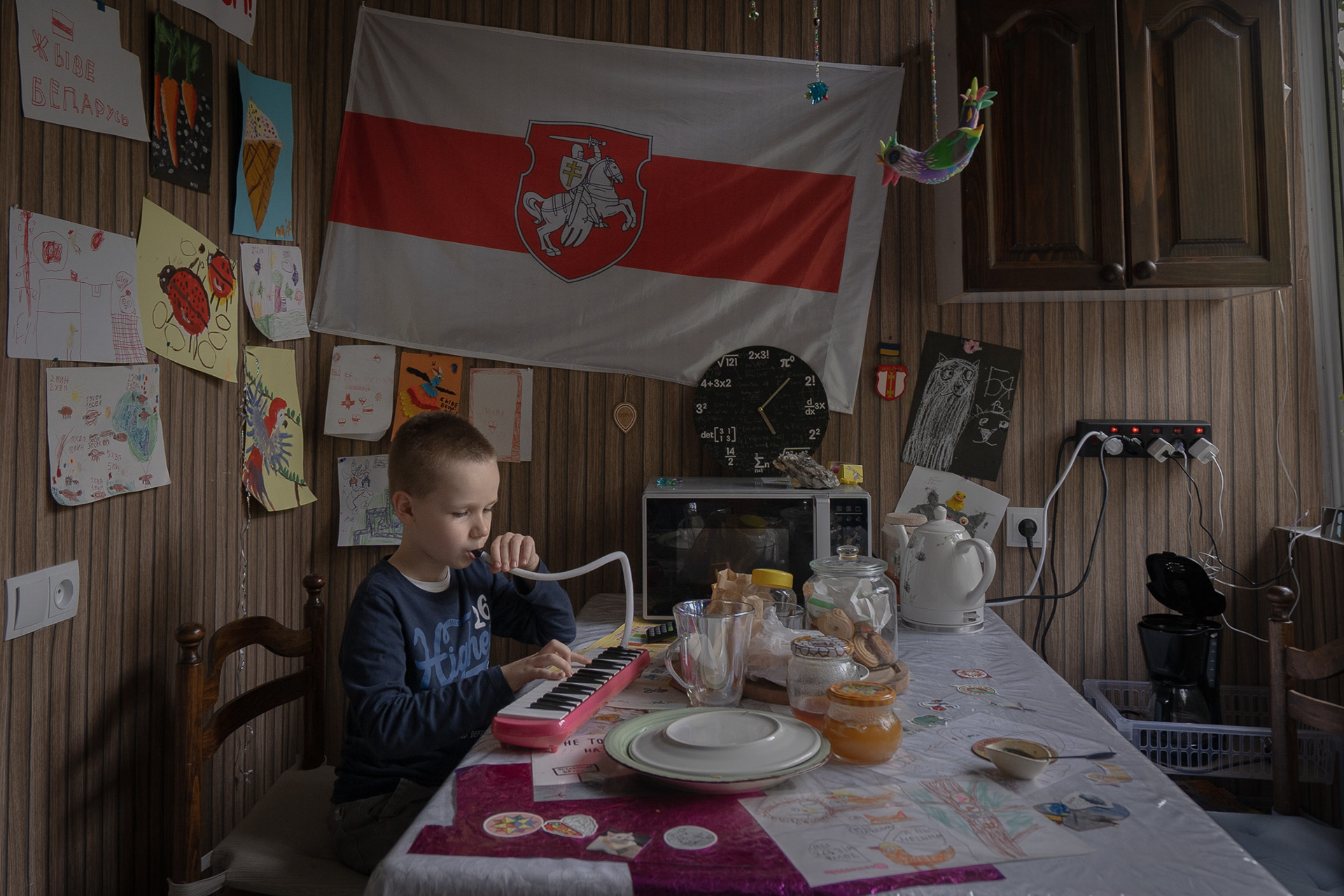
“Like everyone, we participated in the protests in Minsk, now we can’t go back, the risk is too high.” Daryna at home with her son. At the onset of the Ukraine war in 2022 she and her family fled to Georgia along with thousands of others, when suddenly simply having participated in a protest became a reason for imprisonment. (Name has been changed)

“When the war started, I became depressed. People seemed very gray, especially their faces. I didn’t want to look at all those posters with propaganda, the letter Z, the military. I couldn’t imagine living in a country where you can’t say what you think.” Olga is a psychologist who fled Russia when the Ukraine war started. In a community-run space in the centre of Tbilisi, she offers therapy and psychological support to others in exile. (Name has been changed)

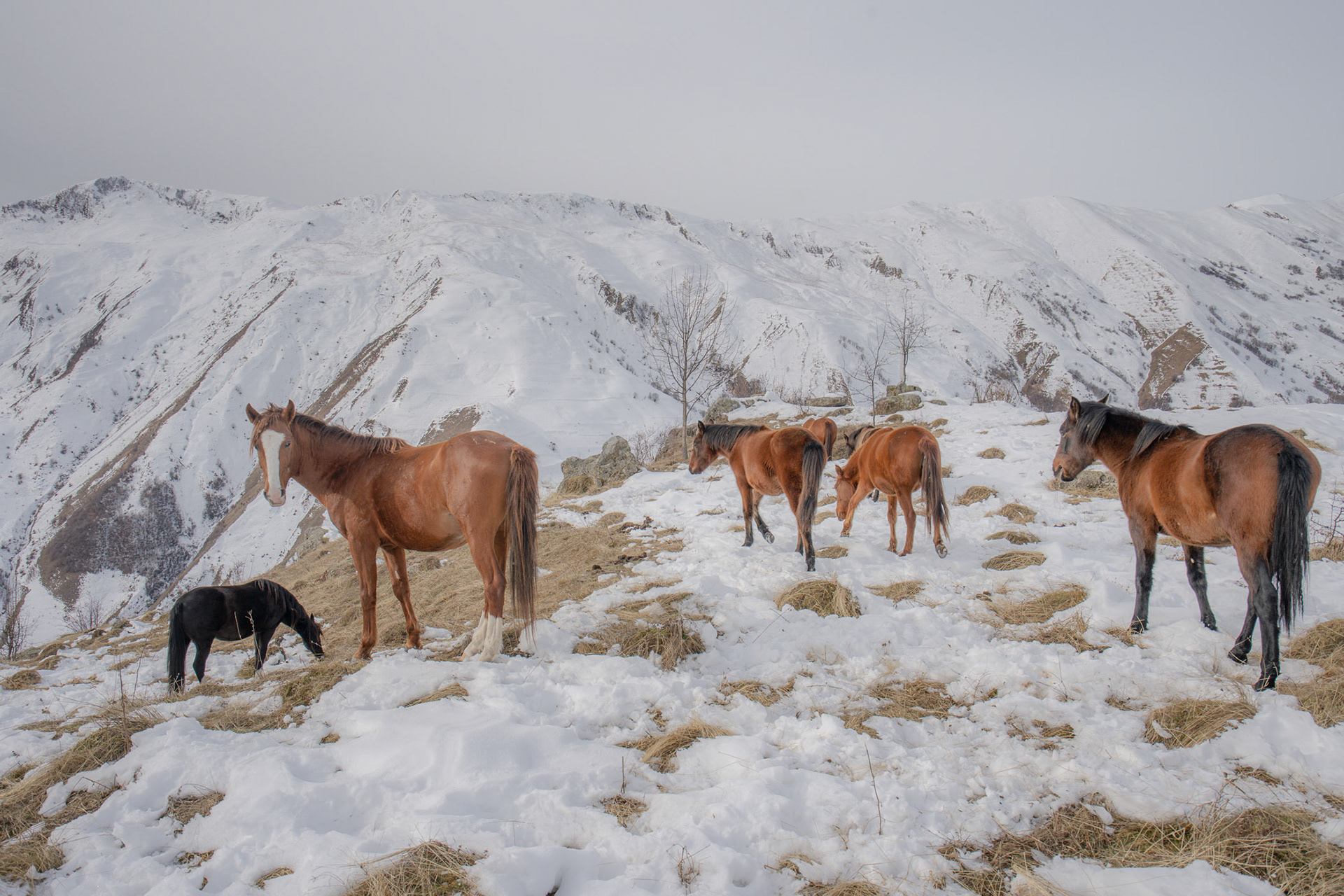
Semi-wild horses grazing in the high mountains near the Russian border. These herds roam freely year-round across many of Georgia’s remote rural landscapes, and are part of a centuries-old tradition of seasonal pastoral migration in the Caucasus.

Back to Top